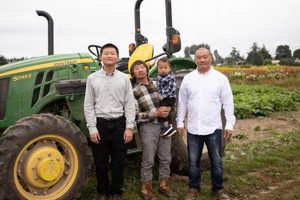
The concept involves utilizing older, often non-operational, vehicles as a resource for various purposes on a rural property. Examples include using car bodies as planters, creating animal shelters, or repurposing components for farm equipment repair. These vehicles, no longer serving their original function, are integrated into the agricultural environment, acquiring a secondary utility.
This practice offers several advantages, encompassing cost-effectiveness through resourcefulness and a reduction in waste. Historically, the creative reuse of available materials has been essential for sustainable farming practices. This extends the lifespan of these manufactured items, minimizing the financial burden on agricultural operations and lessening the environmental impact associated with disposal.
The following sections will delve deeper into the specific applications, practical considerations, and potential challenges associated with this unconventional approach to resource management in a farming context. Exploration of effective implementation and maximizing the benefits for agricultural operations will also be addressed.
Practical Guidance for Repurposing Vehicles on Agricultural Land
The following guidelines provide a structured approach to integrating decommissioned vehicles into farm operations, maximizing their utility and minimizing potential environmental impact.
Tip 1: Assessment and Selection: Conduct a thorough evaluation of existing vehicle stock. Identify units suitable for specific applications, considering factors such as structural integrity, material composition, and dimensions. Prioritize vehicles with salvageable components or intact body structures.
Tip 2: Environmental Remediation: Prior to repurposing, meticulously remove all hazardous materials, including fluids such as oil, gasoline, and antifreeze. Dispose of these substances in accordance with local environmental regulations to prevent soil and water contamination.
Tip 3: Structural Reinforcement: Implement structural reinforcement where necessary. Strengthen compromised areas of the vehicle frame or body using welding or other fabrication techniques. This ensures the repurposed structure can withstand environmental stressors and intended loads.
Tip 4: Creative Adaptation: Explore innovative adaptation strategies. Vehicle bodies can be modified into animal shelters, storage units, or protective covers for sensitive equipment. Vehicle beds can be converted into mobile planting containers or compost bins.
Tip 5: Component Salvage and Reuse: Systematically salvage and reuse usable components. Engines, transmissions, and axles can be rebuilt and repurposed for farm equipment. Sheet metal can be utilized for repairs or modifications to existing structures.
Tip 6: Safety Considerations: Implement comprehensive safety measures. Remove sharp edges and protruding components to prevent injuries. Ensure repurposed structures are securely anchored to prevent tipping or collapse.
Tip 7: Aesthetic Integration: Consider aesthetic integration into the farm landscape. Camouflage repurposed vehicles with paint or vegetation to minimize visual impact. Maintain a tidy and organized environment to enhance overall farm appeal.
Tip 8: Regular Maintenance: Implement a routine maintenance schedule to ensure the longevity of repurposed vehicle structures. Conduct periodic inspections to identify and address potential issues such as rust or structural degradation.
Adherence to these guidelines promotes resourcefulness, reduces environmental impact, and enhances operational efficiency. Successful implementation requires careful planning, diligent execution, and a commitment to sustainable practices.
The subsequent sections will further elaborate on specific repurposing techniques and address potential challenges associated with this integrated approach.
1. Resourcefulness

Resourcefulness is a foundational principle underlying the concept of utilizing end-of-life vehicles in an agricultural setting. The practice hinges on the ability to identify potential uses for materials and components that would otherwise be considered waste. A direct causal relationship exists: limited financial resources or a desire for sustainable practices necessitates creative problem-solving, leading to the adoption of such methods. The importance of resourcefulness is that it promotes self-reliance, reduces dependence on external suppliers, and minimizes the financial strain associated with purchasing new materials. For example, a farmer facing a broken fence might repurpose a car door as a replacement panel, avoiding the expense of buying new fencing materials. This adaptation demonstrates resourcefulness in action, transforming a discarded item into a valuable asset.
Furthermore, the practicality of this approach extends beyond mere cost savings. It encourages innovative thinking and the development of custom solutions tailored to specific farm needs. A discarded engine, for instance, might be rebuilt and used to power a small irrigation pump, effectively leveraging existing resources to enhance operational efficiency. The ability to assess, adapt, and redeploy existing materials promotes a closed-loop system, minimizing waste and maximizing the utility of available resources. The long-term effect of this is to have an effective cost and efficient labor on a farm. Also the idea of waste reduction helps the environment, as they re using most of the materials they can.
In conclusion, resourcefulness is not merely a desirable trait but a critical component for successful “family car farm.” It drives innovation, reduces costs, promotes sustainability, and fosters a self-sufficient agricultural operation. Challenges may arise in identifying appropriate uses for specific components or ensuring structural integrity, but these are outweighed by the long-term benefits of reduced waste, cost savings, and increased operational resilience.
2. Practicality

Practicality serves as a cornerstone in the successful implementation of “family car farm”. It dictates the viability and efficiency of integrating decommissioned vehicles into agricultural operations, ensuring that the process yields tangible benefits and aligns with the needs of the farm.
- Functional Adaptation
Practicality necessitates the functional adaptation of vehicle components to serve agricultural purposes. This involves assessing the utility of specific partssuch as chassis, engines, or sheet metaland modifying them to fulfill essential farm tasks. Examples include converting truck beds into mobile planters or adapting engine components for irrigation systems. The implications extend to reduced capital expenditure on specialized equipment and increased self-sufficiency.
- Cost-Effective Solutions
A practical approach prioritizes cost-effective solutions that minimize financial investment while maximizing the utility of available resources. Repurposing vehicle components offers a less expensive alternative to purchasing new equipment, allowing farmers to allocate resources more efficiently. This cost-effectiveness is particularly relevant for small-scale farms with limited capital.
- Efficient Resource Management
Practicality promotes efficient resource management by reducing waste and extending the lifecycle of manufactured goods. Decommissioned vehicles, instead of being discarded, become valuable assets within the agricultural ecosystem. This reduces the environmental impact associated with disposal and promotes sustainable practices. The effective management of these resources contributes to long-term economic and environmental benefits.
- Safety and Accessibility
A practical implementation addresses both safety and accessibility considerations, ensuring that repurposed vehicle components are safely integrated into the farm environment. This includes removing hazardous materials, securing structures to prevent accidents, and ensuring that modifications do not impede access to critical areas. A focus on safety and accessibility ensures that the repurposed components can be effectively utilized without compromising the well-being of farm personnel.
In conclusion, the integration of decommissioned vehicles into agricultural practices depends heavily on the principle of practicality. By focusing on functional adaptation, cost-effective solutions, efficient resource management, and safety considerations, farmers can effectively leverage these materials to enhance operational efficiency and promote sustainable practices. The success of “family car farm” hinges on its ability to provide tangible benefits and align with the practical needs of the farm.
3. Cost Reduction

Cost reduction is a central driver in the implementation of “family car farm,” influencing decisions related to resource utilization, capital expenditure, and operational efficiency within agricultural settings. The practice offers significant opportunities to minimize financial outlays through the repurposing of existing assets.
- Minimized Capital Expenditure
Repurposing vehicles significantly reduces the need to purchase new equipment or materials. Instead of investing in costly agricultural implements, functional components from decommissioned vehicles are adapted to serve equivalent purposes. For instance, a discarded truck chassis may be transformed into a trailer for hauling materials, negating the expense of a new trailer purchase. This approach conserves capital and optimizes resource allocation.
- Reduced Waste Disposal Fees
Properly disposing of end-of-life vehicles can incur substantial costs, including towing fees, recycling charges, and landfill expenses. By integrating these vehicles into the farm’s infrastructure, these disposal costs are eliminated. Vehicle bodies repurposed as storage sheds or animal shelters avoid the financial burden associated with traditional disposal methods. This mitigation of disposal costs directly contributes to overall cost reduction.
- Lower Maintenance and Repair Costs
Salvaging usable parts from decommissioned vehicles provides a readily available source of spare components for existing farm equipment. This reduces the reliance on external suppliers and minimizes the downtime associated with waiting for replacement parts. The self-sufficiency derived from on-site spare parts can significantly lower maintenance and repair expenses over time. This approach also provides opportunities for innovative repairs and custom modifications to farm machinery.
- Energy Efficiency and Reduced Operational Expenses
Repurposed vehicle components can contribute to energy efficiency and reduced operational expenses. An engine extracted from a vehicle and adapted to power an irrigation pump reduces the demand on the electrical grid, leading to lower energy bills. Similarly, vehicle panels utilized for insulation in buildings or greenhouses can reduce heating costs. These energy-saving applications translate into long-term financial benefits for the farm.
The multifaceted benefits of cost reduction, realized through strategic vehicle repurposing, underscore the economic viability of “family car farm.” The minimized capital expenditure, reduced waste disposal fees, lowered maintenance costs, and enhanced energy efficiency collectively contribute to improved financial performance within agricultural operations. The practice aligns with sustainable farming principles and promotes resourcefulness in the face of economic constraints.
4. Sustainability

The correlation between sustainability and “family car farm” lies in the reduced environmental impact and efficient resource management characteristic of the practice. Utilizing decommissioned vehicles as a resource diverts materials from landfills, mitigating the pollution associated with waste disposal and the energy expenditure required for recycling processes. By repurposing vehicle components for agricultural needs, there is a consequential decrease in the demand for new manufactured goods, conserving natural resources and lowering carbon emissions linked to industrial production. For instance, the transformation of a car body into a livestock shelter extends the vehicle’s lifespan, preventing its premature entry into the waste stream and providing a functional element for the farm.
Implementation of sustainable practices within “family car farm” is not without considerations. Proper handling and disposal of hazardous materials, such as motor oil and refrigerants, is paramount to prevent soil and water contamination. However, when executed responsibly, the advantages are considerable. Reusing tires as retaining walls or for erosion control demonstrates a practical application that minimizes waste and addresses environmental challenges simultaneously. Furthermore, the integration of salvaged metal sheets for roofing materials reduces reliance on commercially produced alternatives, which typically have a higher environmental footprint due to manufacturing and transportation impacts.
In conclusion, sustainability is a pivotal component of “family car farm,” driven by the dual objectives of waste reduction and resource conservation. The responsible repurposing of decommissioned vehicles contributes to a more circular economy and mitigates the environmental burden associated with conventional agricultural practices. While diligent attention to safety and environmental protocols is essential, the overall outcome fosters a more ecologically sound and resource-efficient farming model, supporting long-term environmental stewardship.
5. Creative Solutions
The nexus between inventive problem-solving and utilizing decommissioned vehicles on agricultural land, a practice referred to as “family car farm,” is intrinsically linked. The core of this method involves identifying unconventional applications for discarded vehicle components, thereby minimizing waste and maximizing resource utilization. A direct correlation exists: limited financial resources, coupled with a commitment to sustainable practices, necessitates ingenious adaptations, propelling the adoption of “family car farm”. The absence of creative approaches would render the concept impractical, as merely accumulating unused vehicles offers no inherent benefit. The importance of these solutions is evident in the transformation of a pickup truck bed into a mobile chicken coop, providing both shelter and portability for poultry, an action that showcases how inventive thinking directly translates into tangible improvements.
The application of creative solutions also extends beyond the repurposing of complete vehicle bodies. Individual components, such as tires, can be transformed into effective erosion control barriers, while engine parts can be adapted for irrigation systems or even small-scale power generation. Such modifications not only address specific agricultural needs but also reduce reliance on external resources and promote a more self-sufficient farm operation. Consider the example of a farmer who, instead of purchasing expensive piping for a greenhouse, utilizes discarded exhaust pipes to create a custom ventilation system, achieving similar functionality at a significantly reduced cost. Such adaptations underscore the practical significance of creative problem-solving in the context of resource management within a farming environment.
In summation, creative solutions are not merely an ancillary aspect of “family car farm” but an indispensable element that drives its viability and effectiveness. The ability to envision and implement unconventional uses for discarded vehicle components fosters resourcefulness, reduces costs, promotes sustainability, and enhances operational efficiency. Challenges may arise in terms of structural integrity, safety considerations, and aesthetic integration, but these are outweighed by the long-term benefits derived from a resourceful and imaginative approach to agricultural resource management. Ultimately, the success of this method depends on the capacity to identify and implement inventive solutions tailored to the specific needs and constraints of the farming environment.
6. Environmental Impact
The environmental implications of utilizing decommissioned vehicles on agricultural land, a practice represented by “family car farm,” are significant and multifaceted. The central causal relationship is that unchecked disposal of vehicles contributes to soil contamination, water pollution, and habitat degradation. Conversely, thoughtful repurposing minimizes these adverse effects. The environmental factor is not an optional addendum but an essential consideration for any sustainable approach to this practice. The transformation of a vehicle frame into a raised garden bed, for instance, prevents the metallic components from leaching into the soil while providing a functional structure for crop cultivation.
Careful dismantling and decontamination processes are critical. Prior to any repurposing effort, meticulous removal of hazardous materialssuch as motor oil, antifreeze, refrigerants, and battery acidsis mandatory. Failure to adhere to proper disposal protocols for these substances poses substantial environmental risks, potentially contaminating groundwater and impacting local ecosystems. For example, a farmer might employ a certified waste disposal service to remove and process fluids from a vehicle, ensuring compliance with environmental regulations and preventing potential harm. The positive outcome of reduced landfill waste must be weighed against the potential for environmental harm during the vehicle modification and utilization phases.
In summary, the success of “family car farm” hinges on a comprehensive understanding and diligent management of its environmental impact. The reduction of waste and promotion of resource efficiency offer considerable environmental benefits. However, realizing these benefits necessitates adherence to stringent environmental standards during the dismantling, repurposing, and eventual disposal of vehicle components. By prioritizing environmental responsibility, this practice can effectively contribute to a more sustainable agricultural model, fostering a balance between resource utilization and ecological preservation.
Frequently Asked Questions
This section addresses common inquiries and misconceptions regarding the integration of decommissioned vehicles into agricultural operations, often referred to as “family car farm.” The objective is to provide clear and concise answers based on practical experience and established best practices.
Question 1: Is “family car farm” environmentally sound, given the potential for soil contamination?
The environmental soundness hinges on strict adherence to hazardous material removal protocols. Prior to repurposing any vehicle, all fluids (oil, gasoline, antifreeze), batteries, and refrigerants must be extracted and disposed of according to environmental regulations. Neglecting this step poses significant contamination risks; conscientious implementation mitigates these risks.
Question 2: What types of vehicles are best suited for “family car farm” applications?
Vehicles with robust frames and minimal rust damage are preferred. Trucks, vans, and SUVs often provide versatile platforms for repurposing due to their size and structural integrity. Sedans, while potentially useful for smaller-scale projects, may offer fewer adaptable components.
Question 3: Are there legal restrictions on utilizing decommissioned vehicles in this manner?
Local zoning ordinances and environmental regulations dictate permissible uses. Consultation with local authorities is essential to ensure compliance with restrictions on vehicle storage, waste disposal, and land use. Failure to comply can result in fines or legal action.
Question 4: How can the aesthetic impact of “family car farm” be minimized?
Camouflaging techniques, such as painting repurposed vehicles in earth tones or integrating them into existing landscaping, can reduce visual impact. Maintaining a tidy and organized farm environment further enhances aesthetic appeal. Overgrowth and haphazard arrangements detract from the overall appearance.
Question 5: What are the most common challenges encountered when implementing “family car farm”?
Structural instability, difficulty in adapting vehicle components to specific agricultural tasks, and the labor required for dismantling and modification are frequent challenges. Careful planning, appropriate tools, and experience in fabrication techniques can mitigate these difficulties.
Question 6: Does “family car farm” offer a viable alternative to traditional farming practices?
It serves as a supplementary strategy rather than a wholesale replacement. Repurposing vehicles addresses specific needs related to resource management, waste reduction, and cost savings. Integration with conventional methods can enhance sustainability and operational efficiency.
In summary, the responsible implementation of “family car farm” requires careful planning, adherence to environmental regulations, and a commitment to sustainable practices. When executed thoughtfully, it offers a viable means of reducing waste, conserving resources, and enhancing agricultural operations.
The following section will delve into case studies illustrating successful applications of this approach.
Conclusion
The exploration of “family car farm” has revealed its multifaceted nature, encompassing resourcefulness, practicality, cost reduction, sustainability, creative solutions, and environmental impact. Successful implementation necessitates a comprehensive understanding of these interlinked elements. Diligent adherence to environmental regulations, coupled with a commitment to safe and responsible practices, is paramount.
The strategic integration of decommissioned vehicles into agricultural operations presents a viable approach to resource management and waste reduction. Further research and innovation in this area may unlock additional benefits and refine existing methodologies, contributing to a more sustainable and efficient agricultural landscape. Responsible stewardship remains crucial for maximizing the potential of this practice.