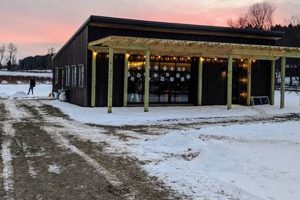
Agricultural operations dedicated to long-term sustainability and resilience represent a growing movement within the farming sector. These enterprises prioritize practices that ensure the land remains productive and healthy for generations to come. An example includes farms employing regenerative agriculture techniques, such as cover cropping and no-till farming, to improve soil health and reduce erosion.
The significance of such endeavors lies in their ability to contribute to food security, environmental conservation, and rural economic stability. Historically, farming practices often prioritized short-term yields, leading to soil degradation and environmental damage. In contrast, the long-term focus supports biodiversity, mitigates climate change impacts, and provides a stable livelihood for farming communities.
This article will further explore the specific practices, economic models, and policy implications associated with these sustainably-focused agricultural operations, examining their role in shaping a more resilient and equitable food system.
Sustaining Agricultural Land for Future Generations
The following recommendations outline key strategies for ensuring the enduring viability and productivity of agricultural land, promoting environmental stewardship and economic stability.
Tip 1: Implement Regenerative Agricultural Practices: Adopt techniques such as cover cropping, no-till farming, and crop rotation to enhance soil health, reduce erosion, and sequester carbon. Example: Planting a cover crop of rye after harvesting corn can improve soil structure and prevent nutrient runoff.
Tip 2: Prioritize Water Conservation: Employ efficient irrigation systems, such as drip irrigation, and implement water harvesting techniques to minimize water usage and prevent depletion of water resources. Example: Installing a drip irrigation system can deliver water directly to plant roots, reducing water loss through evaporation.
Tip 3: Promote Biodiversity: Create and maintain diverse habitats within the agricultural landscape to support beneficial insects, pollinators, and other wildlife. Example: Planting hedgerows along field edges can provide habitat for pollinators and beneficial insects.
Tip 4: Practice Integrated Pest Management: Utilize a combination of biological, cultural, and chemical control methods to minimize reliance on synthetic pesticides and protect beneficial organisms. Example: Releasing beneficial insects, such as ladybugs, to control aphids.
Tip 5: Focus on Soil Health Monitoring: Regularly test and monitor soil health indicators, such as organic matter content and nutrient levels, to inform management decisions and optimize soil fertility. Example: Conducting soil tests to determine the optimal amount of fertilizer to apply.
Tip 6: Embrace Sustainable Livestock Management: Implement rotational grazing practices and provide livestock with access to pasture to improve animal health, reduce soil compaction, and enhance forage production. Example: Rotating cattle between different pastures to prevent overgrazing and allow vegetation to recover.
Tip 7: Diversify Crop Production: Grow a variety of crops to reduce the risk of pest and disease outbreaks, improve soil fertility, and enhance market resilience. Example: Planting a mix of cash crops and cover crops to diversify income streams and improve soil health.
These practices collectively contribute to a more resilient and sustainable agricultural system, ensuring the long-term productivity and environmental health of the land.
The subsequent sections will delve into the economic and policy aspects that further support and promote the adoption of these sustainable farming approaches.
1. Soil Health

The concept of sustained agricultural landscapes rests fundamentally upon the principle of robust soil health. Soil, as the foundation for crop production, directly influences yield, nutritional value, and resilience to environmental stressors. Operations committed to sustained viability recognize that depleted soil health undermines long-term productivity, leading to increased reliance on external inputs like synthetic fertilizers and pesticides. In contrast, healthy soil, rich in organic matter and microbial diversity, enhances nutrient cycling, water retention, and disease suppression, thus reducing the need for intensive management practices. For example, farms employing cover cropping and no-till methods observe improved soil structure, reduced erosion, and increased carbon sequestration, creating a positive feedback loop that strengthens soil health over time.
The practical significance of understanding the connection between soil health and sustained agricultural viability extends to farm management decisions. Farms focused on long-term sustainability invest in soil testing and monitoring to assess nutrient levels, organic matter content, and microbial activity. This data informs targeted management practices, such as compost application, crop rotation strategies, and reduced tillage, aimed at improving soil health parameters. Furthermore, healthy soils contribute to the overall ecosystem services provided by the farm, including carbon sequestration, water filtration, and biodiversity conservation. Consider the example of a farm implementing a holistic grazing system. This approach not only enhances soil health but also supports carbon sequestration and improves water infiltration, leading to a more resilient and sustainable agricultural operation.
In summary, soil health is not merely a component of sustainable agricultural systems but rather its cornerstone. Farms prioritizing soil health through regenerative practices build resilience into their operations, ensuring long-term productivity and environmental stewardship. While challenges remain in scaling up these practices and overcoming economic barriers, the recognition of soil health as a prerequisite for sustained agricultural viability is gaining traction, driving innovation and collaboration across the agricultural sector.
2. Water Management

Effective water management is intrinsically linked to the long-term viability of agricultural land. Sustainable water practices are not merely beneficial but rather essential for ensuring the continued productivity and resilience of what are sometimes referred to as ‘forever farms’. The efficient use and conservation of water resources contribute to soil health, crop yields, and ecosystem stability, all of which are critical for sustained agricultural operations.
- Efficient Irrigation Systems
Implementation of efficient irrigation systems, such as drip irrigation and micro-sprinklers, minimizes water loss through evaporation and runoff. These systems deliver water directly to plant roots, reducing water consumption while maximizing crop yields. Farms that utilize these technologies demonstrate a commitment to conserving water resources and minimizing their environmental impact. For example, a farm converting from flood irrigation to drip irrigation can reduce water usage by up to 50%, while maintaining or even increasing crop production.
- Water Harvesting and Storage
Rainwater harvesting and storage techniques allow farms to capture and store precipitation for later use. This practice reduces reliance on external water sources and mitigates the impact of droughts. Examples include constructing rainwater collection tanks and implementing water storage ponds. These methods enhance water security, particularly in regions with limited rainfall or fluctuating water supplies. A farm in a semi-arid region might utilize rainwater harvesting to supplement irrigation during dry periods, ensuring a stable water supply for crops.
- Soil Moisture Management
Maintaining optimal soil moisture levels is crucial for plant health and water use efficiency. Techniques such as mulching, cover cropping, and no-till farming enhance soil water retention and reduce water loss through evaporation. These practices improve the ability of the soil to absorb and store water, making crops more resilient to drought conditions. For instance, a farm using cover crops can increase soil organic matter, improving water infiltration and reducing runoff.
- Water Quality Protection
Protecting water quality from agricultural pollutants is essential for maintaining healthy ecosystems and ensuring the long-term sustainability of water resources. Implementing practices such as buffer strips, nutrient management plans, and erosion control measures can minimize the impact of farming activities on water quality. These measures prevent pollutants from entering waterways, protecting aquatic life and ensuring a clean water supply. A farm establishing a riparian buffer zone along a stream can filter out sediment and nutrients, preventing pollution of the water source.
These facets of water management collectively contribute to the long-term sustainability of agricultural operations. By adopting efficient irrigation practices, harvesting and storing rainwater, managing soil moisture effectively, and protecting water quality, farms can ensure the continued availability of water resources and maintain their productivity for future generations. These practices underscore the fundamental importance of responsible water stewardship for achieving the vision of ‘forever farms’.
3. Biodiversity Support

The enduring viability of agricultural operations, often conceptualized as “forever farms,” is inextricably linked to the maintenance and enhancement of biodiversity. Biodiversity, encompassing the variety of life at all levels, from genes to ecosystems, provides essential services that underpin agricultural productivity. These services include pollination, pest control, nutrient cycling, and soil health, all of which are crucial for the long-term success of farming endeavors. A decline in biodiversity can destabilize agricultural systems, increasing reliance on external inputs and reducing resilience to environmental changes. Consider, for instance, the vital role of pollinators, such as bees and butterflies, in crop production. Without adequate pollinator populations, yields of many fruits, vegetables, and nuts would significantly decrease. Consequently, agricultural systems designed for long-term sustainability must actively promote and conserve biodiversity within and around farmland.
Practically, supporting biodiversity on agricultural land involves implementing a range of management practices. These practices include creating and maintaining diverse habitats, such as hedgerows, wildflower meadows, and buffer strips along waterways. Such habitats provide refuge and resources for beneficial insects, pollinators, and other wildlife. Furthermore, reducing or eliminating the use of synthetic pesticides and herbicides protects non-target organisms and promotes a healthy ecosystem. Integrated Pest Management (IPM) strategies, which prioritize biological control and other non-chemical methods, are essential components of biodiversity-friendly farming systems. An example is the introduction of beneficial predators, such as ladybugs, to control aphid populations, reducing the need for chemical insecticides. These strategies not only safeguard biodiversity but also contribute to the overall health and resilience of agricultural ecosystems.
In conclusion, supporting biodiversity is not merely an ancillary benefit of sustainable agriculture; it is a fundamental requirement for achieving long-term agricultural viability. Farms that prioritize biodiversity demonstrate enhanced resilience to pests, diseases, and environmental stresses. While challenges exist in implementing and scaling up biodiversity-friendly farming practices, the understanding of biodiversity’s importance is crucial for securing the future of agriculture. The integration of biodiversity conservation into agricultural planning represents a paradigm shift towards more sustainable and resilient food systems, aligning with the vision of “forever farms” that can thrive for generations to come.
4. Community Resilience and Sustained Agriculture
The resilience of a community and the long-term viability of agricultural operations are intertwined. A robust local community provides essential support systems for sustained agriculture, fostering stability and mitigating risks associated with economic and environmental challenges. This interconnectedness is crucial for ensuring the continuity of farming practices for generations to come.
- Local Market Access
Access to local markets enables farmers to sell their products directly to consumers, fostering economic stability and reducing reliance on external supply chains. Farmers’ markets, community-supported agriculture (CSA) programs, and direct-to-consumer sales channels provide opportunities for farmers to receive fair prices for their goods and build relationships with their customers. These local market connections create a sense of community support that enhances the resilience of farming operations. For example, a local farmer participating in a CSA program receives guaranteed income from subscribers, providing financial security that supports long-term planning and investment in sustainable farming practices.
- Local Expertise and Knowledge Sharing
Community-based knowledge sharing and access to local expertise are invaluable resources for farmers seeking to improve their practices and adapt to changing conditions. Agricultural extension services, farmer-to-farmer mentorship programs, and community workshops provide opportunities for farmers to learn from each other and access technical assistance. This exchange of knowledge fosters innovation and resilience in the face of challenges such as pest outbreaks, climate change, and market fluctuations. A local farming community, for instance, might organize workshops on soil health management, where experienced farmers share their knowledge and best practices with newer farmers, promoting collective learning and improving overall farm productivity.
- Social Capital and Community Support Networks
Strong social networks and community support systems provide farmers with emotional support, financial assistance, and labor during times of need. Community members may volunteer to help with harvesting, provide emergency financial aid, or advocate for policies that support local agriculture. These social connections create a sense of belonging and mutual support that enhances the resilience of farming families. For example, in a rural community affected by a natural disaster, neighbors may come together to help farmers rebuild their farms, providing essential labor and resources that enable them to recover quickly.
- Local Policy Advocacy and Support
Community advocacy and support for local agriculture policies create a favorable environment for farming operations to thrive. Community members can advocate for zoning regulations that protect farmland from development, policies that support local food systems, and funding for agricultural research and extension programs. This local policy support ensures that farmers have the resources and regulatory framework they need to succeed. For instance, a community organization may lobby local government to implement tax incentives for farmers who adopt sustainable farming practices, encouraging the adoption of environmentally beneficial techniques and supporting the long-term viability of local agriculture.
These interconnected facets demonstrate that community resilience is not merely a desirable outcome but an essential component of sustained agricultural landscapes. By fostering local market access, promoting knowledge sharing, building social capital, and advocating for supportive policies, communities can create an environment that enables “forever farms” to thrive. These farms, in turn, contribute to the economic, social, and environmental well-being of the community, creating a mutually beneficial relationship that ensures the continuity of both agriculture and community life.
5. Economic Viability
The sustained existence of agricultural operations hinges critically upon their economic viability. Without a sound financial foundation, farms cannot invest in the long-term practices necessary to maintain soil health, conserve resources, and adapt to changing market conditions. Therefore, understanding the economic factors that influence farm profitability is essential for achieving the goal of “forever farms”.
- Diversification of Income Streams
Reliance on a single commodity exposes farms to price volatility and market fluctuations. Diversifying income streams through value-added processing, agritourism, or direct marketing reduces financial risk and creates new revenue opportunities. An example is a dairy farm that produces artisan cheeses and offers farm tours, generating income from multiple sources. This diversification enhances economic resilience and supports long-term financial stability.
- Efficient Resource Management
Minimizing input costs through efficient resource management directly impacts profitability. Implementing precision agriculture techniques, optimizing fertilizer application, and reducing water consumption lowers expenses and improves resource use efficiency. For example, a farm using variable rate irrigation can reduce water usage and energy costs while maximizing crop yields. Such efficient management practices contribute to long-term economic sustainability.
- Access to Financial Resources
Access to affordable capital and financial resources is critical for investments in sustainable farming practices and infrastructure improvements. Government subsidies, low-interest loans, and grant programs provide farmers with the financial means to implement soil conservation measures, adopt renewable energy technologies, and diversify their operations. An example is a farmer receiving a grant to install solar panels, reducing energy costs and promoting environmental sustainability. This access to financial resources supports economic viability and enables long-term investment in the farm.
- Market Stability and Fair Pricing
Stable markets and fair pricing mechanisms are essential for ensuring that farmers receive adequate compensation for their products. Participating in cooperative marketing groups, developing long-term contracts with buyers, and advocating for policies that support fair trade practices enhance market stability and reduce price volatility. An example is a group of farmers forming a cooperative to collectively market their produce, increasing their bargaining power and securing better prices. This market stability promotes economic security and supports long-term profitability.
These facets of economic viability are interconnected and mutually reinforcing. Farms that diversify their income streams, manage resources efficiently, access financial resources, and benefit from stable markets are better positioned to achieve long-term profitability and sustainability. Ultimately, economic viability is not merely a financial consideration; it is a fundamental prerequisite for achieving the vision of “forever farms” agricultural operations that can thrive for generations to come.
6. Adaptive Strategies
The long-term sustainability of agricultural entities, frequently referred to as “forever farms,” is contingent upon the implementation of robust adaptive strategies. These strategies allow agricultural operations to navigate evolving environmental conditions, market dynamics, and technological advancements, ensuring their resilience and continued productivity over extended periods. A static approach to farming is untenable in a world characterized by constant change; therefore, adaptive capacity is paramount.
- Crop Diversification and Rotation
Diversifying crop selection and implementing strategic crop rotation practices are crucial adaptive measures. These techniques mitigate risks associated with pest infestations, diseases, and soil degradation. Furthermore, crop diversification allows farms to respond to shifting market demands and consumer preferences. An example is a farm integrating drought-resistant crops into its rotation to buffer against water scarcity, ensuring a more stable yield under varying climatic conditions. This adaptability enhances the farm’s long-term productivity and economic stability.
- Technological Integration and Innovation
Embracing technological advancements and fostering a culture of innovation are essential for enhancing efficiency and optimizing resource utilization. Precision agriculture techniques, such as GPS-guided machinery and sensor-based monitoring systems, enable farmers to make data-driven decisions, improving crop yields and reducing environmental impact. An example is a farm implementing drone technology to monitor crop health and identify areas requiring targeted interventions, optimizing resource allocation and minimizing waste. This proactive integration of technology supports the farm’s long-term competitiveness and sustainability.
- Risk Management and Financial Planning
Developing comprehensive risk management plans and implementing sound financial practices are critical for navigating economic uncertainties and unforeseen events. Diversifying income streams, securing crop insurance, and maintaining adequate financial reserves provide a buffer against market volatility and natural disasters. An example is a farm establishing a reserve fund to cover unexpected expenses, such as equipment repairs or crop failures, ensuring the operation can withstand financial shocks without jeopardizing its long-term viability. This prudent financial management reinforces the farm’s resilience and sustainability.
- Collaboration and Knowledge Sharing
Engaging in collaborative networks and actively sharing knowledge with other farmers and researchers enhances adaptive capacity and promotes innovation. Participating in farmer cooperatives, attending industry conferences, and collaborating with agricultural research institutions provide opportunities to learn from best practices and adapt to emerging challenges. An example is a group of farmers working together to implement conservation tillage practices, sharing knowledge and resources to improve soil health and reduce erosion across their collective landholdings. This collaborative approach fosters a learning environment that supports continuous improvement and enhances the sustainability of the entire agricultural community.
These adaptive strategies, when implemented holistically, contribute significantly to the long-term viability of agricultural operations. Farms that embrace diversification, technology, risk management, and collaboration are better positioned to weather challenges and capitalize on opportunities, ensuring their continued productivity and resilience for generations to come. The ability to adapt is not merely a desirable attribute but a fundamental requirement for achieving the vision of “forever farms” – enduring agricultural landscapes that contribute to food security, environmental stewardship, and economic prosperity.
7. Legacy

The concept of sustained agricultural landscapes, operationalized through the ethos of “forever farms,” directly correlates with the notion of legacy. The practices employed, resources managed, and knowledge disseminated within such an operation determine its enduring impact on the land, the community, and future generations of farmers. A farm operating under a short-term, extractive model may yield immediate profits but leaves behind degraded soil, depleted resources, and a diminished capacity for future agricultural productivity. Conversely, a farm prioritizing legacy adopts regenerative practices, invests in soil health, conserves water resources, and fosters biodiversity, thereby enhancing the land’s long-term potential. An example can be found in farms committed to passing down organic farming practices, conserving heirloom seeds, and establishing educational programs for young farmers, thus ensuring the continuation of sustainable agriculture within their community.
The importance of legacy as a component of “forever farms” lies in its capacity to shift the focus from immediate gains to long-term sustainability. Farming decisions are then guided not only by current profitability but also by the desire to leave the land in better condition than it was found. This perspective requires a holistic approach that considers the interconnectedness of ecological, economic, and social factors. For example, a family-owned farm might establish a conservation easement to protect its land from development, ensuring that future generations will have access to productive farmland. Similarly, farms can invest in research and development of sustainable farming technologies, contributing to the collective knowledge base and empowering other farmers to adopt environmentally sound practices.
In conclusion, the legacy of an agricultural operation directly reflects its commitment to the principles of “forever farms.” By prioritizing long-term sustainability, investing in resource conservation, and fostering a culture of knowledge sharing, farms can create a positive legacy that extends far beyond their immediate operations. This approach not only benefits the environment and future generations but also strengthens the resilience and economic viability of the farming community. While challenges remain in transitioning to a legacy-driven agricultural model, the growing recognition of its importance is driving innovation and collaboration across the agricultural sector, paving the way for a more sustainable and equitable food system.
Frequently Asked Questions Regarding Sustained Agricultural Operations
The following questions address common inquiries and misconceptions regarding long-term, sustainable farming practices. The answers provide clarity and detailed information on various aspects of these agricultural operations.
Question 1: What constitutes a “forever farm,” and how does it differ from conventional farming practices?
A “forever farm” represents an agricultural operation designed for long-term sustainability and resilience. Unlike conventional farming, which often prioritizes short-term yields, a “forever farm” emphasizes soil health, resource conservation, and ecological balance to ensure continued productivity for generations.
Question 2: How can agricultural operations implement regenerative agricultural practices to achieve long-term sustainability?
Regenerative agricultural practices, such as cover cropping, no-till farming, and crop rotation, enhance soil health, reduce erosion, and sequester carbon. These practices build soil organic matter, improve water infiltration, and promote biodiversity, thereby increasing the resilience and sustainability of agricultural land.
Question 3: What economic strategies support the viability of sustained agricultural operations in the face of market fluctuations?
Diversifying income streams, implementing efficient resource management practices, and securing access to financial resources are key economic strategies. These measures reduce reliance on single commodities, minimize input costs, and provide farmers with the capital necessary to invest in sustainable practices and infrastructure improvements.
Question 4: How does the concept of community resilience relate to the success of “forever farms”?
Strong community support systems, including local market access, knowledge sharing networks, and policy advocacy, enhance the resilience of agricultural operations. Community support fosters economic stability, provides technical assistance, and promotes policies that support local agriculture, creating a favorable environment for sustainable farming practices.
Question 5: What role does technological innovation play in ensuring the long-term sustainability of agricultural practices?
Technological advancements, such as precision agriculture techniques and sensor-based monitoring systems, enable farmers to make data-driven decisions that optimize resource utilization and minimize environmental impact. These innovations improve crop yields, reduce input costs, and enhance the overall efficiency of agricultural operations.
Question 6: How can farmers ensure that their operations contribute to a lasting legacy of environmental stewardship and agricultural productivity?
Farmers can contribute to a lasting legacy by prioritizing long-term sustainability, investing in resource conservation, and fostering a culture of knowledge sharing. These practices enhance the land’s long-term potential, promote ecological balance, and empower future generations of farmers to adopt environmentally sound practices.
Sustained agricultural operations prioritize long-term sustainability, soil health, and economic viability, ensuring resilience and environmental stewardship for future generations.
The following sections explore policy implications and strategies for fostering the adoption of sustained farming approaches.
The Imperative of Forever Farms
This article has explored the multifaceted nature of “forever farms,” emphasizing their crucial role in ensuring long-term food security, environmental sustainability, and community resilience. Key aspects include regenerative agricultural practices, efficient resource management, economic diversification, and strong community support. The sustained viability of these operations hinges on a holistic approach that considers ecological, economic, and social factors.
The widespread adoption of “forever farms” represents a necessary paradigm shift in agricultural practices. A commitment to these principles is paramount to safeguard the future of food production, mitigate the impacts of climate change, and foster resilient rural communities. The continued exploration, refinement, and implementation of these approaches are essential to secure a sustainable agricultural legacy for generations to come.