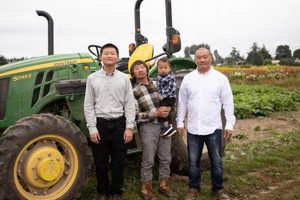
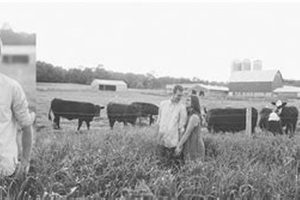
This agricultural model emphasizes raising livestock on land where they can graze freely and naturally. Animals, like chickens, cattle, or pigs, are moved regularly to fresh pasture, allowing them to forage for their food and distribute their manure evenly across the land. This system often involves a family-run operation, highlighting the dedication to sustainable agriculture and direct connection to consumers.
The benefits of this approach extend to animal welfare, environmental sustainability, and product quality. Animals experience reduced stress and improved health due to their natural foraging behavior and access to fresh air and sunlight. Environmentally, the rotating pasture system reduces reliance on synthetic fertilizers, minimizes soil erosion, and promotes biodiversity. The resulting products, such as meat, eggs, or dairy, are often considered to be of higher nutritional value and superior flavor.
This focus on humane animal treatment, environmental stewardship, and quality food production serves as the foundation for exploring key elements of operation. This includes the intricacies of rotational grazing techniques, the challenges of maintaining a small, family-owned business, and the growing consumer demand for ethically and sustainably sourced food.
Operational Insights
The following insights address key considerations for successfully implementing and maintaining this agricultural model, focusing on operational efficiency and sustainability.
Tip 1: Implement Rotational Grazing: Divide pastureland into smaller paddocks and rotate livestock regularly. This promotes forage regrowth, reduces parasite loads, and improves soil health.
Tip 2: Prioritize Soil Health: Conduct regular soil tests and amend as needed with compost or other organic matter. Healthy soil supports productive pastures and reduces the need for external inputs.
Tip 3: Choose Appropriate Breeds: Select livestock breeds that are well-suited to the climate and pasture conditions. Consider factors such as grazing efficiency, disease resistance, and growth rate.
Tip 4: Develop a Nutrient Management Plan: Utilize animal manure as a valuable fertilizer source. Develop a plan to distribute manure evenly and avoid over-application, which can lead to nutrient runoff.
Tip 5: Focus on Direct Marketing: Establish direct relationships with consumers through farmers’ markets, on-farm sales, or community-supported agriculture (CSA) programs. This allows for premium pricing and greater transparency.
Tip 6: Practice Preventative Healthcare: Implement a preventative healthcare program that includes regular vaccinations, parasite control, and hoof care. This minimizes the need for antibiotics and promotes animal well-being.
Tip 7: Diversify Income Streams: Explore opportunities to diversify income streams, such as selling eggs, honey, or other value-added products. This can provide financial stability and resilience.
Tip 8: Maintain Accurate Records: Keep detailed records of animal health, feed consumption, pasture management, and financial performance. This information is essential for making informed decisions and improving efficiency.
Adopting these practices fosters a robust, sustainable, and economically viable operation, ultimately contributing to a more resilient food system.
These operational insights provide a framework for understanding the practical application of this agricultural approach and pave the way for further discussion on its broader implications.
1. Animal Welfare

The intersection of animal welfare and this farming practice represents a foundational tenet of its operational philosophy. Unlike conventional, confined animal feeding operations, this model prioritizes providing animals with a natural environment conducive to their species-specific behaviors. The availability of pasture for grazing and foraging allows livestock to express natural instincts, contributing to reduced stress levels and improved overall health. For instance, chickens allowed to roam freely exhibit decreased pecking orders and reduced incidence of cannibalism, while cattle on pasture experience lower rates of foot rot and respiratory illnesses compared to confined animals. This proactive approach to animal husbandry directly translates to a higher quality of life for the animals.
Furthermore, responsible management within the “pastured steps family farm” framework extends beyond simply providing access to pasture. It encompasses careful monitoring of animal health, proactive disease prevention, and humane handling practices. Farmers practicing this method often employ low-stress herding techniques and prioritize access to shelter and water, ensuring animal comfort and minimizing potential suffering. For example, providing ample shade during hot summer months and windbreaks during cold weather protects animals from environmental extremes. This proactive attention to animal well-being enhances the ethical value proposition of the operation and appeals to consumers increasingly concerned about the treatment of farm animals.
In essence, animal welfare serves as a critical component and a driving force in defining the integrity of operations. The commitment to ethical animal husbandry practices not only aligns with consumer demand for responsibly raised products but also contributes to a more sustainable and resilient agricultural system. The successful integration of animal welfare principles requires continuous learning, adaptation, and a genuine dedication to providing the best possible life for the animals under their care, thereby supporting both the long-term viability of the farm and the ethical expectations of its stakeholders.
2. Soil Health

Soil health serves as the foundation upon which this agricultural model thrives. It’s an integral component that directly influences productivity, sustainability, and the overall resilience of the operation. Maintaining healthy soil is not merely an environmental consideration; it is a core business imperative.
- Enhanced Nutrient Cycling
Rotational grazing systems inherent in this operation stimulate nutrient cycling processes. As livestock graze, they consume plants, and their manure returns organic matter and nutrients to the soil. This natural fertilization reduces the reliance on synthetic inputs, creating a closed-loop system. For example, cow manure contains nitrogen, phosphorus, and potassium, essential for plant growth. Regular movement of livestock ensures even distribution of these nutrients, promoting a more balanced soil composition.
- Improved Soil Structure
The physical structure of the soil benefits significantly from the grazing patterns. Animal hooves aerate the soil, increasing water infiltration and reducing compaction. This improved structure fosters root development and enhances the soil’s capacity to retain moisture. Earthworm activity, stimulated by the presence of organic matter, further enhances soil structure, creating channels for air and water movement. This is in direct contrast to conventionally tilled soil which can suffer from compaction and reduced water retention.
- Increased Carbon Sequestration
Healthy soil acts as a carbon sink, capturing atmospheric carbon dioxide and storing it in the ground. Pasture-based systems, with their diverse plant life and minimal tillage, contribute significantly to carbon sequestration. The increased organic matter in the soil binds carbon, mitigating climate change effects. Research indicates that well-managed pastureland can store more carbon than conventional cropland, making this farming approach a valuable tool for climate mitigation.
- Enhanced Biodiversity
Healthy soil teems with microbial life, including bacteria, fungi, and protozoa, which play vital roles in nutrient cycling, disease suppression, and overall soil health. Pastured systems, with their diverse plant communities and minimal use of chemical inputs, support a thriving soil food web. This biodiversity promotes resilience to pests and diseases, reducing the need for interventions. A diverse soil ecosystem can also improve plant health and productivity through the natural control of harmful pathogens.
In essence, soil health is not merely a byproduct of this operation but a carefully cultivated asset. By prioritizing practices that enhance nutrient cycling, improve soil structure, increase carbon sequestration, and promote biodiversity, this agricultural model establishes a resilient and sustainable foundation for long-term success. This holistic approach to soil management distinguishes it from conventional farming practices and underscores its commitment to environmental stewardship.
3. Direct Marketing

Direct marketing represents a crucial strategy for the economic viability and philosophical alignment of family-run agricultural operations. By bypassing traditional distribution channels, producers establish direct relationships with consumers, capturing a greater share of the revenue and fostering transparency within the food system. This approach resonates with consumers seeking ethically sourced, high-quality products while empowering farmers to control their pricing and marketing narratives.
- Enhanced Price Control
Direct marketing empowers producers to set prices that reflect the true cost of production, including ethical animal husbandry practices and sustainable land management. Unlike commodity markets where prices are often dictated by external factors, direct sales allow farmers to capture a premium for their products, compensating them fairly for their efforts and investments. For example, selling grass-fed beef directly to consumers through a farm store or farmers’ market enables producers to highlight the unique qualities of their product and justify a higher price point compared to conventionally raised beef sold through grocery chains.
- Improved Customer Relationships
Direct interaction with consumers fosters strong relationships built on trust and transparency. Producers can educate customers about their farming practices, the origins of their products, and the values that underpin their operation. This direct communication builds brand loyalty and encourages repeat business. For example, offering farm tours or hosting on-farm events provides consumers with an opportunity to see firsthand the care and attention that goes into producing their food, strengthening their connection to the farm and its products.
- Reduced Distribution Costs
By eliminating intermediaries such as wholesalers and retailers, direct marketing significantly reduces distribution costs. Farmers save on transportation, storage, and marketing expenses, increasing their overall profitability. For example, selling eggs directly to consumers at a farmers’ market eliminates the need for costly packaging and transportation to a processing plant and distribution center, allowing producers to retain a larger portion of the sale price.
- Increased Market Responsiveness
Direct interaction with consumers provides valuable feedback, enabling producers to adapt their farming practices and product offerings to meet changing market demands. Farmers can learn directly from their customers what products they are seeking, what qualities they value, and what prices they are willing to pay. This market responsiveness allows producers to tailor their operations to meet the specific needs of their community, increasing their competitiveness and ensuring long-term sustainability. For example, if customers express interest in organic produce, the farmer can adjust their farming practices to meet this demand, enhancing the market appeal of their products.
These interconnected elements underscore the strategic significance of direct marketing for operations. It’s not merely a sales channel, but an integral part of its operational identity, driving economic viability, fostering customer loyalty, and promoting transparency within the food system. By embracing direct marketing, farmers can build a more sustainable and resilient business while connecting consumers with ethically produced, high-quality food.
4. Family Labor
Family labor is often intrinsically linked to the operational model of a small, sustainable farm. This intimate involvement transcends mere employment; it represents a deep-seated commitment to land stewardship, animal welfare, and product quality. The dedication inherent in family-run operations stems from a vested interest in the farm’s long-term success, fostering a work ethic often unmatched by hired labor. For instance, tending to livestock during inclement weather or making critical decisions based on intimate knowledge of the land becomes a personal responsibility, driving consistent attention to detail that significantly impacts overall farm performance. The direct correlation between diligent family oversight and the enhanced productivity and ethical standards of the farm is a defining characteristic of the family labor model.
The practical implications of family labor extend to resource management and operational efficiency. Shared expertise and tacit knowledge, passed down through generations, often lead to innovative solutions tailored to the specific challenges of the land. Decisions regarding crop rotation, grazing schedules, or animal breeding are informed by years of accumulated experience, optimizing productivity while minimizing environmental impact. Furthermore, the cost-effectiveness of relying on family members, particularly in the initial stages of farm development, allows resources to be channeled towards critical infrastructure improvements or sustainable practices. This financial flexibility, born from family dedication, becomes instrumental in establishing a viable and environmentally responsible farming operation.
Despite its advantages, family labor is not without its challenges. Balancing the demands of farm work with personal lives, managing intergenerational differences in operational approaches, and ensuring fair compensation for all family members are significant hurdles. However, the underlying commitment to preserving a shared heritage and producing high-quality, ethically sourced food often outweighs these difficulties. The model showcases a commitment to sustainability and a legacy being passed down from generation to generation. The success of this type of agricultural operation ultimately hinges on the ability to navigate these complexities while maintaining a unified vision for the farm’s future.
5. Local Ecosystem

The operational model of a family-run farm is inextricably linked to the local ecosystem, forming a symbiotic relationship where each entity influences the health and resilience of the other. This agricultural approach recognizes that the farm is not an isolated unit but an integral part of a larger ecological web. Practices employed on the farm, such as rotational grazing and minimal use of synthetic inputs, directly impact soil health, water quality, and biodiversity within the surrounding area. Conversely, the health and stability of the local ecosystem provide essential services to the farm, including pollination, pest control, and nutrient cycling. Understanding this reciprocal relationship is crucial for achieving long-term sustainability.
Consider the impact of rotational grazing on soil health and water quality. By regularly moving livestock to fresh pasture, soil is allowed to recover, preventing overgrazing and erosion. The manure deposited by the animals enriches the soil with organic matter and nutrients, reducing the need for synthetic fertilizers. This improved soil structure enhances water infiltration, minimizing runoff and reducing the risk of water pollution. As a result, the local watershed benefits from cleaner water and reduced sediment load. Furthermore, the diverse plant life in well-managed pastures provides habitat for beneficial insects and pollinators, contributing to biodiversity within the surrounding ecosystem. For example, native bees and butterflies find refuge and sustenance in the flowering plants that thrive in pastures managed with rotational grazing.
In summary, the relationship between the farm and the local ecosystem is a dynamic and interdependent one. By adopting sustainable practices that prioritize ecological health, it can benefit from a range of ecosystem services, enhancing its long-term productivity and resilience. Recognizing this interconnection is essential for promoting a more sustainable and environmentally responsible agricultural system, fostering a harmonious coexistence between farming and the natural world.
6. Product Quality

The operational model of a family-operated farm significantly influences the quality of its products. The commitment to sustainable practices and ethical animal husbandry directly translates to superior characteristics in goods produced. For example, meat from livestock raised on pasture exhibits enhanced nutritional profiles, including higher levels of omega-3 fatty acids and conjugated linoleic acid (CLA), compared to conventionally raised animals. Similarly, eggs from pastured hens demonstrate richer yolks and higher concentrations of vitamins A and E. This direct correlation between farming methods and product attributes underscores the importance of sustainable practices in delivering high-quality food items to consumers.
The emphasis on quality, rather than solely on quantity, fosters a dedication to careful handling and processing. Since family members are often directly involved in all stages of production, they have a vested interest in maintaining the integrity of the product. This translates to meticulous attention to detail, from selecting appropriate breeds and feed to implementing humane slaughtering practices. Consider the example of a family farm producing artisanal cheese; the expertise passed down through generations, combined with the use of high-quality milk from pasture-raised cows, results in a product with distinct flavor profiles and superior texture compared to mass-produced alternatives. This hands-on approach ensures that the resulting products reflect the values and commitment of the farm.
Ultimately, the pursuit of product quality becomes a defining characteristic of operations, distinguishing them from conventional, industrial agriculture. While challenges may arise in maintaining consistent standards due to the inherent variability of natural systems, the commitment to sustainable practices, ethical animal husbandry, and careful processing remains paramount. The emphasis on quality strengthens customer trust, fosters brand loyalty, and supports the long-term viability, further underscoring the practical significance of this interconnection.
Frequently Asked Questions
The following addresses common inquiries regarding operational aspects, sustainability practices, and product attributes, providing factual information to enhance understanding.
Question 1: What defines rotational grazing, and what purpose does it serve?
Rotational grazing involves dividing pastureland into multiple sections (paddocks) and regularly moving livestock between them. This practice allows forage plants to recover, prevents overgrazing, reduces parasite loads in livestock, and improves soil health through even manure distribution.
Question 2: How do the nutritional attributes of animal products compare with those from conventional farming?
Animal products tend to exhibit enhanced nutritional profiles. Meat from pasture-raised animals often contains higher levels of omega-3 fatty acids and conjugated linoleic acid (CLA), while eggs may possess higher concentrations of vitamins A and E.
Question 3: What challenges are inherent in managing a family-operated agricultural model?
Challenges include balancing farm work with personal lives, managing intergenerational differences in operational approaches, ensuring fair compensation for all family members, and navigating the complexities of direct marketing and consumer engagement.
Question 4: In what ways does this farming practice benefit the local ecosystem?
This approach contributes to improved soil health, enhanced water quality, increased biodiversity, and carbon sequestration. Practices such as rotational grazing and minimal use of synthetic inputs promote a healthier and more resilient ecosystem.
Question 5: How are animal welfare standards upheld?
Animal welfare is prioritized through providing access to pasture, implementing low-stress handling techniques, monitoring animal health closely, practicing preventative healthcare, and ensuring adequate shelter and water are available at all times.
Question 6: What role does direct marketing play in the operational strategy?
Direct marketing enables producers to capture a greater share of revenue, establish direct relationships with consumers, foster transparency within the food system, and adapt product offerings to meet local market demands.
These answers provide a concise overview of key aspects. Additional details regarding operational strategies, sustainability commitments, and product qualities can be found in the linked articles.
The following section transitions to a summary that consolidates key takeaways from this exploration.
Conclusion
The preceding analysis has explored the operational model of a “pastured steps family farm,” emphasizing its commitment to sustainable agriculture, ethical animal husbandry, and direct engagement with consumers. Key aspects such as rotational grazing, soil health management, family labor dynamics, and the integration with local ecosystems have been examined. Product quality and the benefits of direct marketing have also been highlighted as essential components of this operational strategy.
The viability of “pastured steps family farm” hinges on a holistic approach that balances economic realities with environmental and ethical considerations. While challenges exist in maintaining sustainable practices and navigating market complexities, the long-term potential for creating a resilient and responsible food system remains significant. This underscores the importance of supporting such initiatives and promoting greater awareness of their contributions to a more sustainable future.