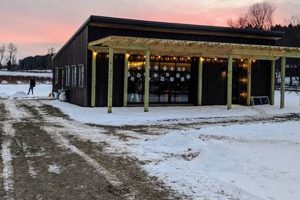
The establishment, a rural enterprise centered on the breeding and husbandry of South American camelids, contributes to the local agricultural economy. The raising of these animals yields valuable fleece, known for its hypoallergenic properties and use in textiles. Additionally, such operations often offer agritourism opportunities, educating the public about these unique creatures and promoting sustainable farming practices.
The cultivation of these farms offers diverse advantages. The animals themselves are relatively low-impact on the land, possessing soft padded feet instead of hooves, minimizing soil erosion. Their fleece commands a premium price, presenting a lucrative product for fiber artists and clothing manufacturers. Furthermore, these businesses provide educational experiences and recreational activities, enhancing the community’s connection to agriculture and animal welfare.
The following sections will delve into specific aspects of alpaca farming, including breed characteristics, fleece production, and the economic impact of agritourism on small-scale farms. It will also explore the challenges and opportunities present in this niche agricultural sector, providing a detailed overview of best practices and sustainable farming methods.
Alpaca Husbandry and Farm Management Guidance
The following guidance provides actionable insights into the operation of an alpaca farm, focusing on crucial aspects of animal care and sustainable business practices. Implementation of these suggestions can contribute to the long-term health of the herd and the financial stability of the operation.
Tip 1: Implement a Parasite Control Program: Regular fecal testing and strategic deworming protocols are essential for maintaining herd health. Internal parasites can significantly impact weight gain and fleece quality; therefore, a veterinarian-guided parasite control plan is critical.
Tip 2: Prioritize High-Quality Pasture Management: Alpacas require access to nutritious forage. Implement rotational grazing to prevent overgrazing, promote pasture regeneration, and minimize parasite loads. Supplement pasture with hay during periods of low forage availability.
Tip 3: Ensure Adequate Shelter and Ventilation: Alpacas require protection from extreme weather conditions. Provide shelters that offer shade in the summer and protection from wind and precipitation in the winter. Adequate ventilation is crucial for preventing respiratory illnesses.
Tip 4: Practice Biosecurity Measures: Implement strict biosecurity protocols to minimize the risk of disease outbreaks. This includes quarantining new animals, restricting visitor access to animal areas, and maintaining clean and sanitary facilities.
Tip 5: Maintain Detailed Records: Accurate record-keeping is essential for effective farm management. Track breeding dates, health treatments, fleece weights, and sales data to inform decision-making and identify areas for improvement.
Tip 6: Invest in Continuing Education: The field of alpaca husbandry is constantly evolving. Attend workshops, seminars, and conferences to stay up-to-date on the latest best practices and emerging trends.
Tip 7: Develop a Comprehensive Marketing Strategy: Effective marketing is crucial for generating revenue. Explore various marketing channels, including online platforms, farmers’ markets, and direct sales, to reach a wider audience.
Adherence to these guidelines promotes both the well-being of the alpaca herd and the viability of the farming operation. Careful planning and diligent execution are key to success in this specialized agricultural sector.
Subsequent discussions will explore the economic impact of these practices and strategies for sustainable long-term growth.
1. Sustainable Land Management

The adoption of sustainable land management practices is not merely an ethical consideration but a fundamental requirement for the long-term viability of an alpaca farm. Overgrazing, a common consequence of poorly managed pastureland, leads to soil erosion, reduced forage quality, and increased parasite loads within the alpaca population. These factors, in turn, negatively affect fleece production, animal health, and overall farm productivity. For example, a farm employing intensive rotational grazing techniques, where alpacas are moved regularly between paddocks, demonstrates improved soil health, denser pasture growth, and a reduction in the need for chemical interventions.
The selection of appropriate forage species also plays a crucial role. Planting drought-resistant and nutrient-rich grasses and legumes tailored to the local climate ensures a consistent and high-quality food source for the alpacas, minimizing the need for supplemental feeding. Furthermore, incorporating integrated pest management strategies, which prioritize biological controls over synthetic pesticides, protects the ecosystem and promotes biodiversity within the farm environment. This approach not only safeguards the health of the alpacas but also enhances the farm’s reputation as a responsible and environmentally conscious operation. The integration of composting systems to manage manure efficiently reduces reliance on chemical fertilizers and closes the nutrient loop, contributing to soil fertility and minimizing environmental impact.
In conclusion, the connection between sustainable land management and the success of an alpaca farm is undeniable. Practices that prioritize soil health, biodiversity, and responsible resource utilization are essential for ensuring the long-term productivity, profitability, and environmental stewardship of the operation. Failure to implement these strategies can lead to ecological degradation, economic instability, and a diminished capacity to produce high-quality alpaca products, highlighting the practical and ethical imperative of sustainable land management in this agricultural context.
2. Quality Fleece Production

The pursuit of superior fleece quality represents a central objective for any alpaca farm. The economic viability of such an operation hinges significantly on the grade, yield, and overall characteristics of the harvested fleece. The practices implemented directly impact the value and marketability of the final product.
- Genetics and Selective Breeding
The genetic makeup of the alpaca herd fundamentally determines the inherent potential for fleece quality. Selective breeding programs, carefully designed to emphasize desirable traits such as fineness, density, uniformity, and color, are crucial. For instance, retaining animals with consistently superior fleece characteristics and culling those with undesirable traits allows for gradual but significant improvements in the overall quality of the herd’s output.
- Nutrition and Dietary Management
The nutritional plane of the alpacas directly influences fleece growth and fiber characteristics. A well-balanced diet, rich in essential amino acids, vitamins, and minerals, supports optimal fleece development. Deficiencies in key nutrients can lead to brittle fibers, reduced fleece density, and increased susceptibility to environmental damage. Strategic supplementation, particularly during periods of high fleece growth, may be necessary to ensure consistent quality.
- Shearing Practices and Fleece Handling
Proper shearing techniques minimize fiber damage and prevent contamination with vegetable matter or foreign debris. Trained shearers, employing clean equipment and careful handling methods, are essential. Post-shearing, the fleece must be meticulously skirted to remove any undesirable portions, such as stained or heavily matted fibers. Proper storage in well-ventilated, pest-free environments is critical to maintain the integrity of the fleece prior to processing.
- Parasite Control and Animal Health
Internal and external parasites can significantly impact fleece quality. Infestations can lead to fiber breakage, reduced growth rates, and overall compromised fleece integrity. A proactive parasite control program, tailored to the specific environmental conditions and parasite prevalence of the region, is necessary. Maintaining overall animal health through preventative veterinary care and prompt treatment of illnesses also contributes to optimal fleece production.
These interconnected elements collectively define the pursuit of quality fleece production. Their diligent application, informed by both scientific understanding and practical experience, forms the basis for a successful and sustainable alpaca farming operation, ultimately dictating its competitive position within the fiber market.
3. Ethical Animal Husbandry

Ethical animal husbandry constitutes a cornerstone of responsible alpaca farming, directly influencing animal welfare, product quality, and public perception of establishments such as Lazy Acres Alpaca Farm. The implementation of ethical practices transcends mere compliance with regulations, reflecting a deep commitment to the well-being of the animals under their care.
- Nutritional Adequacy and Access to Clean Water
Providing a balanced diet tailored to the specific needs of alpacas at various life stages is paramount. Access to clean, fresh water at all times is equally essential. Dietary deficiencies or inadequate hydration can compromise animal health, fleece quality, and overall vitality. For instance, supplementing pasture with high-quality hay during winter months ensures sufficient caloric intake, while regular water trough cleaning prevents the spread of disease. This proactive approach aligns with ethical obligations to provide for the basic physiological needs of the animals.
- Preventative Healthcare and Veterinary Intervention
Establishing a proactive preventative healthcare program, including regular parasite control, vaccinations, and hoof trimming, is critical for maintaining herd health. Prompt veterinary intervention in cases of illness or injury minimizes suffering and maximizes the chances of recovery. Overlooking preventative measures or delaying treatment not only jeopardizes animal welfare but can also lead to costly disease outbreaks and decreased productivity. Lazy Acres Alpaca Farm may collaborate with experienced veterinarians to design tailored healthcare protocols, reflecting a commitment to responsible animal management.
- Humane Handling and Low-Stress Environments
Minimizing stress during routine handling procedures, such as shearing, vaccinations, and transportation, is crucial for alpaca welfare. Employing low-stress handling techniques, characterized by calm and patient interaction, reduces anxiety and minimizes the risk of injury. Creating a safe and comfortable environment, free from unnecessary noise and disturbances, further contributes to animal well-being. The adoption of these practices indicates a respect for the animals’ behavioral needs and a commitment to minimizing their distress.
- Shelter and Protection from the Elements
Providing adequate shelter from extreme weather conditions, including intense sunlight, wind, rain, and snow, is a fundamental aspect of ethical animal husbandry. Shelters should be well-ventilated, dry, and spacious enough to allow alpacas to move freely and escape the elements. Failing to provide adequate shelter can lead to heat stress, hypothermia, and increased susceptibility to respiratory illnesses. Constructing appropriate shelters demonstrates a commitment to protecting the animals from environmental harm.
The synthesis of these ethical considerations creates a framework for responsible alpaca farming. By prioritizing animal welfare, Lazy Acres Alpaca Farm enhances its reputation, fosters consumer trust, and contributes to the long-term sustainability of its operation. These practices are not merely philanthropic gestures but sound business strategies that align with evolving societal values and ethical expectations.
4. Community Engagement

Establishments centered around alpaca farming often foster community engagement through a variety of initiatives. This interaction is not solely altruistic; it represents a strategic component of long-term sustainability. By actively involving the local population, such farms cultivate a supportive network, enhancing their public image and creating valuable economic opportunities for both the farm and the community. This engagement can manifest in several forms, ranging from educational programs to collaborative economic ventures.
One common example of community engagement involves offering educational tours and workshops. These events provide insight into alpaca husbandry, fleece production, and the broader agricultural landscape. Such initiatives serve to demystify farming practices, fostering appreciation for local agriculture and promoting the consumption of locally sourced goods. Furthermore, farms can collaborate with local schools and organizations to develop curriculum-based programs, ensuring that younger generations are exposed to the importance of sustainable farming and animal welfare. Economically, community engagement can be facilitated through partnerships with local artisans and businesses. Farms can supply raw materials, such as alpaca fleece, to local craftspeople, who then create finished products for sale. This symbiotic relationship benefits both parties, creating a localized supply chain and enhancing the economic vibrancy of the community. Additionally, agritourism activities, such as farm stays and alpaca trekking, can attract visitors from outside the immediate area, generating revenue for local businesses, including restaurants, shops, and accommodations.
However, challenges exist. Effective community engagement requires a sustained commitment of resources and a genuine desire to foster collaborative relationships. Short-sighted initiatives driven solely by marketing objectives can undermine trust and ultimately prove counterproductive. Farms must prioritize authentic engagement, demonstrating a willingness to listen to community concerns and adapt their practices accordingly. In conclusion, community engagement represents an integral aspect of a sustainable alpaca farming operation. By actively involving the local population and fostering mutually beneficial relationships, such farms enhance their long-term viability and contribute to the economic and social well-being of the surrounding community.
5. Financial Viability

The economic sustainability of an alpaca farm, such as Lazy Acres Alpaca Farm, is paramount for its continued operation and long-term prosperity. A comprehensive understanding of income streams, expense management, and market dynamics is crucial for ensuring profitability and mitigating financial risks.
- Fleece Sales and Fiber Production
The sale of alpaca fleece represents a primary revenue source for many farms. The price of fleece is determined by factors such as fiber fineness, length, color, and yield. Higher-quality fleece commands premium prices in the market, necessitating a focus on breeding practices and animal husbandry techniques that optimize fiber characteristics. Lazy Acres Alpaca Farm might implement selective breeding programs to enhance fleece quality, thereby increasing revenue per animal. Furthermore, establishing direct relationships with fiber processors and textile manufacturers can secure more favorable pricing terms.
- Livestock Sales and Breeding Programs
The sale of alpacas for breeding purposes constitutes another significant income stream. Well-bred alpacas with desirable traits, such as superior fleece quality, conformation, and temperament, are highly sought after by other farms and breeders. A successful breeding program requires careful selection of breeding pairs, meticulous record-keeping, and adherence to best practices in animal husbandry. Lazy Acres Alpaca Farm could offer stud services or sell pregnant females to generate additional revenue. Building a reputation for producing high-quality breeding stock can command premium prices and attract customers from a wider geographic area.
- Agritourism and On-Farm Retail
Diversifying income streams through agritourism initiatives and on-farm retail can enhance financial stability. Offering farm tours, workshops, and hands-on experiences can attract visitors and generate revenue. Selling alpaca-related products, such as yarn, clothing, and handcrafted items, directly to consumers can increase profit margins. Lazy Acres Alpaca Farm might create a farm store or online marketplace to showcase and sell its products. Developing unique and engaging agritourism experiences can differentiate the farm from competitors and attract a loyal customer base. Compliance with local regulations and obtaining necessary permits are essential for agritourism operations.
- Expense Management and Cost Control
Effective expense management is crucial for maintaining profitability. Careful monitoring of feed costs, veterinary expenses, shearing fees, and other operating costs is essential. Implementing cost-saving measures, such as optimizing feed rations, negotiating favorable contracts with suppliers, and utilizing renewable energy sources, can significantly improve the bottom line. Lazy Acres Alpaca Farm might invest in energy-efficient equipment or implement water conservation practices to reduce operating expenses. Regularly reviewing financial statements and identifying areas for cost reduction is critical for ensuring financial sustainability.
The financial viability of Lazy Acres Alpaca Farm is intricately linked to its ability to generate revenue through multiple channels, manage expenses effectively, and adapt to changing market conditions. A well-defined business plan, coupled with sound financial management practices, is essential for ensuring long-term success. Continuously evaluating and refining its business model is necessary to remain competitive and profitable in the evolving agricultural landscape.
Frequently Asked Questions about Alpaca Farming
This section addresses common inquiries and misconceptions regarding the operation and characteristics of farms specializing in alpaca husbandry. The aim is to provide clarity and accurate information to those interested in this agricultural sector.
Question 1: What distinguishes alpaca fleece from sheep’s wool?
Alpaca fleece exhibits several key differences compared to sheep’s wool. It possesses a smoother fiber surface, lacking the scales present in wool, which contributes to a softer feel and reduced itchiness. Additionally, alpaca fleece contains no lanolin, rendering it hypoallergenic. Its thermal properties are also notable, providing greater warmth relative to its weight.
Question 2: What are the primary nutritional requirements for alpacas?
Alpacas require a diet primarily consisting of forage, such as pasture grasses and hay. Supplemental feeding with grain may be necessary during periods of high energy demand, such as lactation or extreme cold. Access to clean water and a balanced mineral supplement is also essential for maintaining optimal health and fleece production.
Question 3: What are the common health concerns associated with alpacas?
Alpacas are susceptible to various health issues, including internal and external parasites, dental problems, and heat stress. Regular veterinary check-ups, strategic deworming protocols, and appropriate environmental management are crucial for preventing and managing these conditions. Biosecurity measures are also important to minimize the risk of infectious disease outbreaks.
Question 4: What constitutes ethical treatment of alpacas?
Ethical treatment encompasses providing adequate nutrition, shelter, and healthcare, as well as minimizing stress during handling and routine procedures. Humane shearing practices, appropriate parasite control, and prompt veterinary intervention in cases of illness or injury are essential components of responsible alpaca husbandry. Low-stress environments contribute to the well-being of the animals.
Question 5: What is the typical lifespan of an alpaca?
Alpacas typically live for 15 to 20 years. Factors such as genetics, nutrition, and overall health management influence their longevity. Providing optimal care throughout their lives contributes to a longer and healthier lifespan.
Question 6: What are the environmental impacts of alpaca farming?
Alpacas have relatively soft footpads compared to livestock with hooves, minimizing soil compaction and erosion. Sustainable grazing practices, such as rotational grazing, can further mitigate environmental impacts. Alpaca manure can also be composted and used as a natural fertilizer, reducing reliance on synthetic fertilizers.
This FAQ provides a foundational understanding of alpaca farming. Further research and consultation with experienced professionals are recommended for those seeking to engage in this agricultural endeavor.
The following section delves into the future prospects and challenges facing the alpaca farming industry.
Conclusion
The preceding analysis has explored various facets of alpaca farming, emphasizing sustainable land management, quality fleece production, ethical animal husbandry, community engagement, and financial viability as interconnected determinants of success. The examination of these elements provides a comprehensive overview of the factors influencing the operation of establishments like Lazy Acres Alpaca Farm.
The future of alpaca farming hinges on the continued adoption of sustainable practices and a commitment to producing high-quality products while fostering positive community relationships. Prospective and current alpaca farmers should carefully consider the information presented to ensure long-term viability and ethical responsibility within this specialized agricultural sector. Diligence in these areas will contribute to the overall health and stability of the alpaca farming industry.